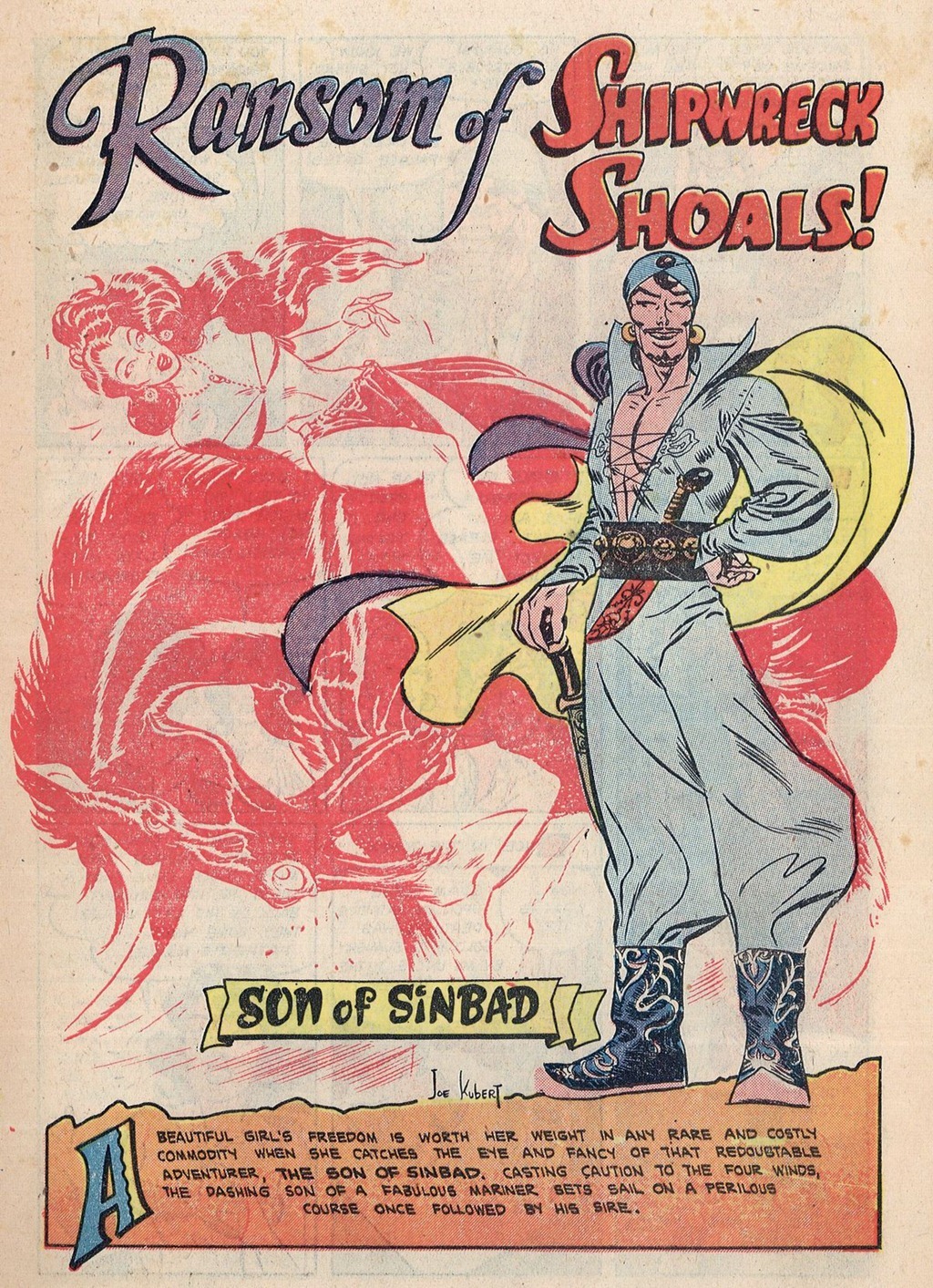
![Son-of-Sinbad-COVER-Joe-Kubert[2]](http://storyboardsecrets.com/blogspot/Joe-Kubert---Son-of-Sinbad-1950_1477/Son-of-Sinbad-COVER-Joe-Kubert2.jpg "Son-of-Sinbad-COVER-Joe-Kubert[2]")
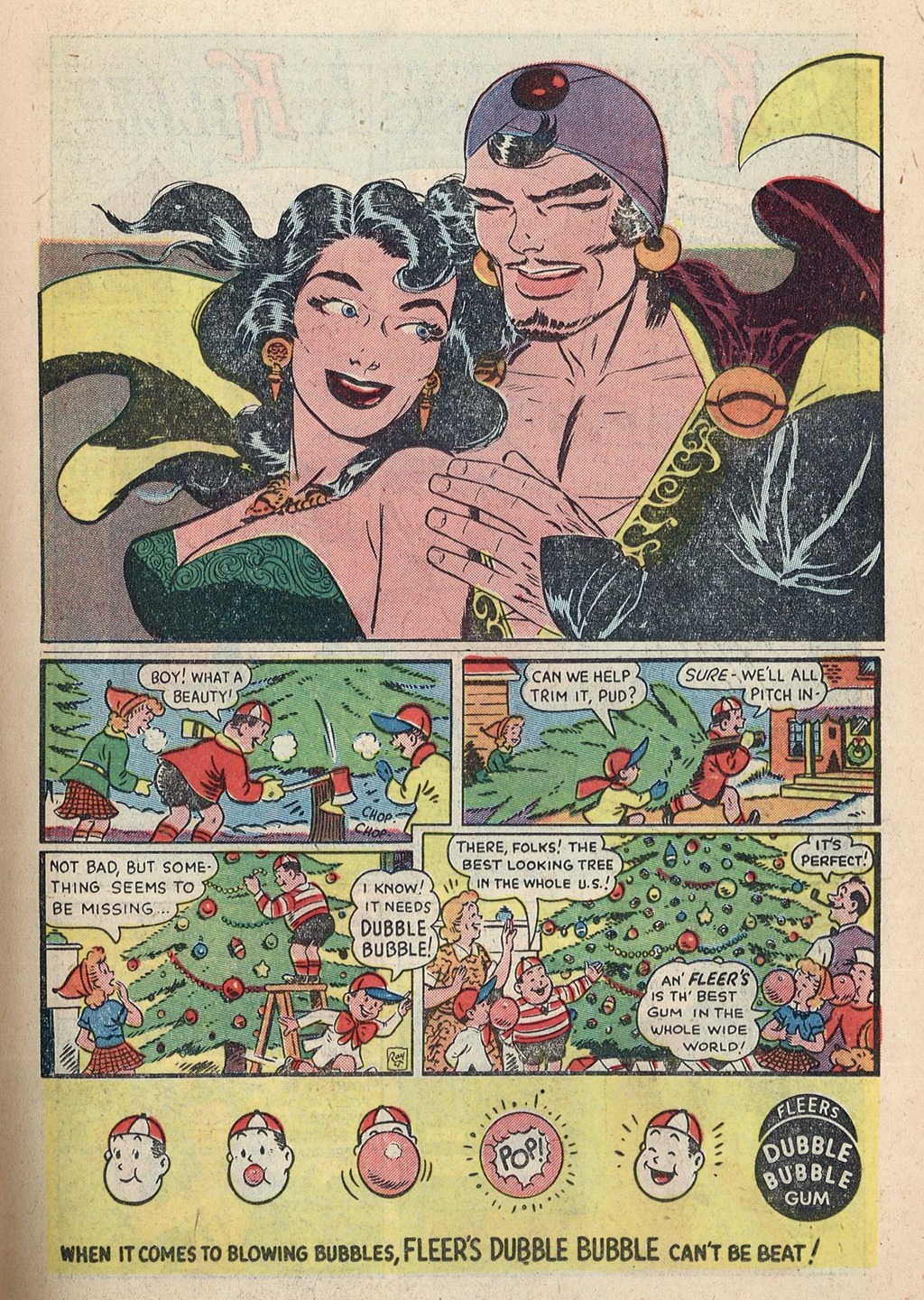
A fun comic featuring “Spine-Tingling Tales
of Perils, Passions and Plunder!”
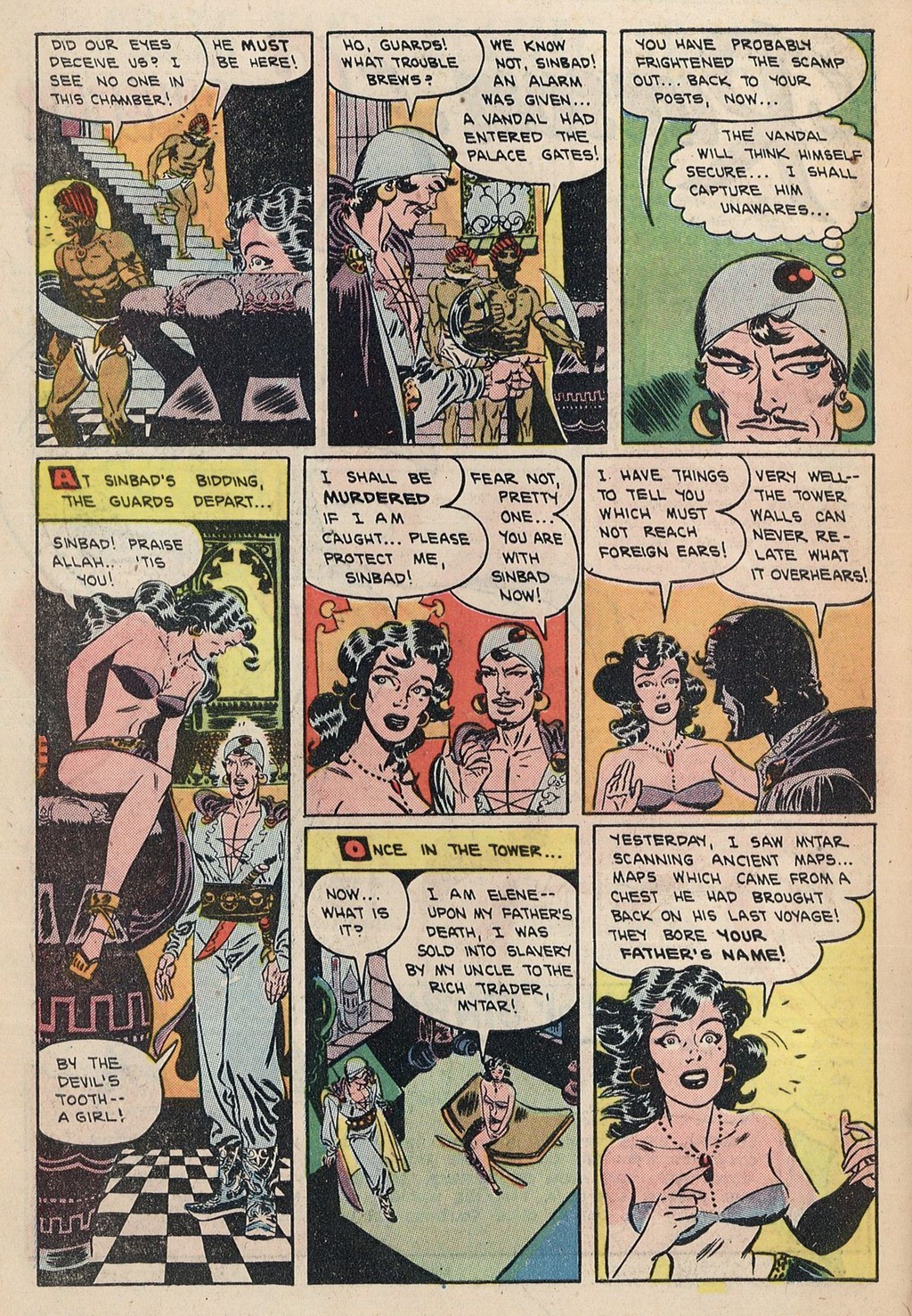
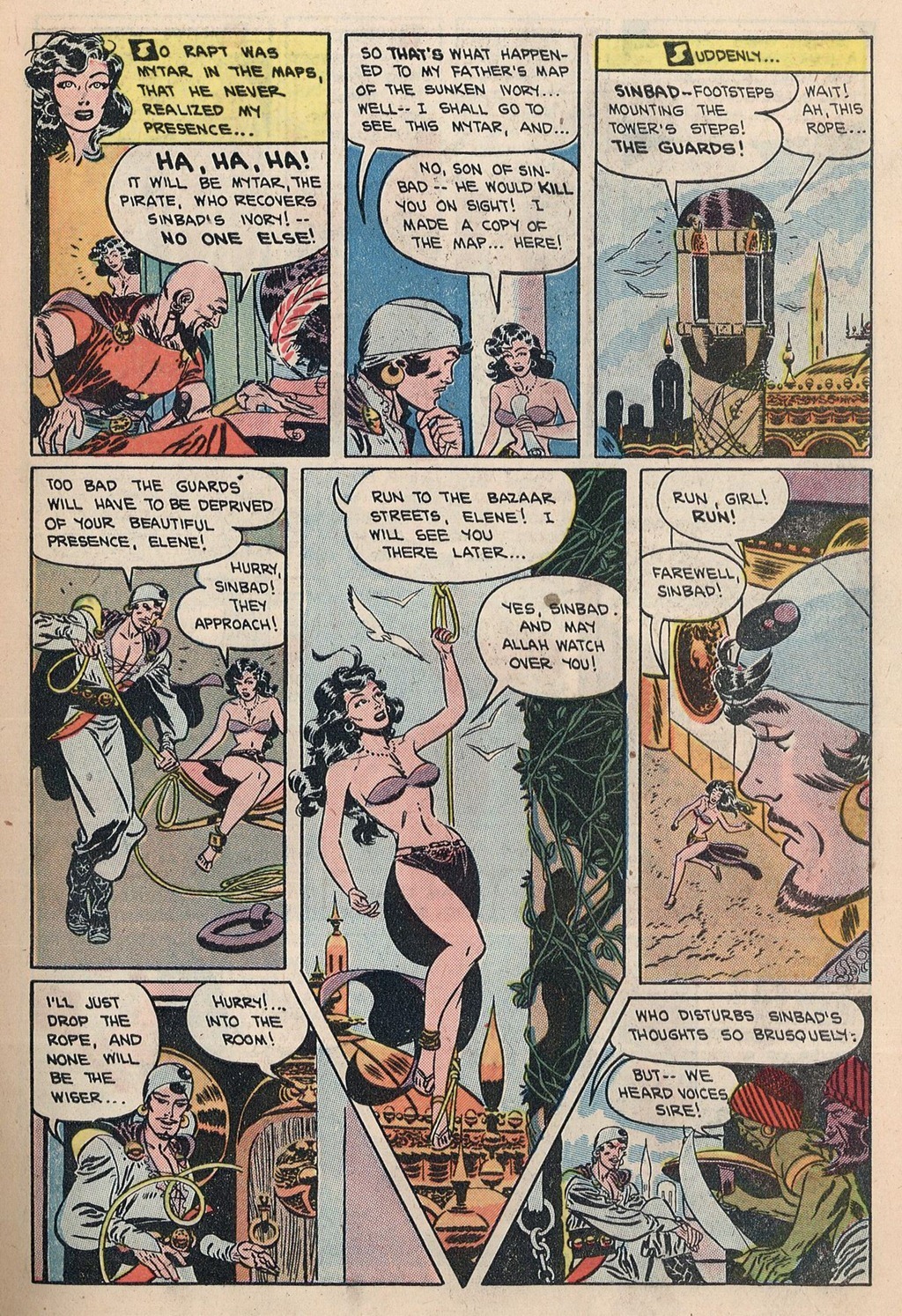
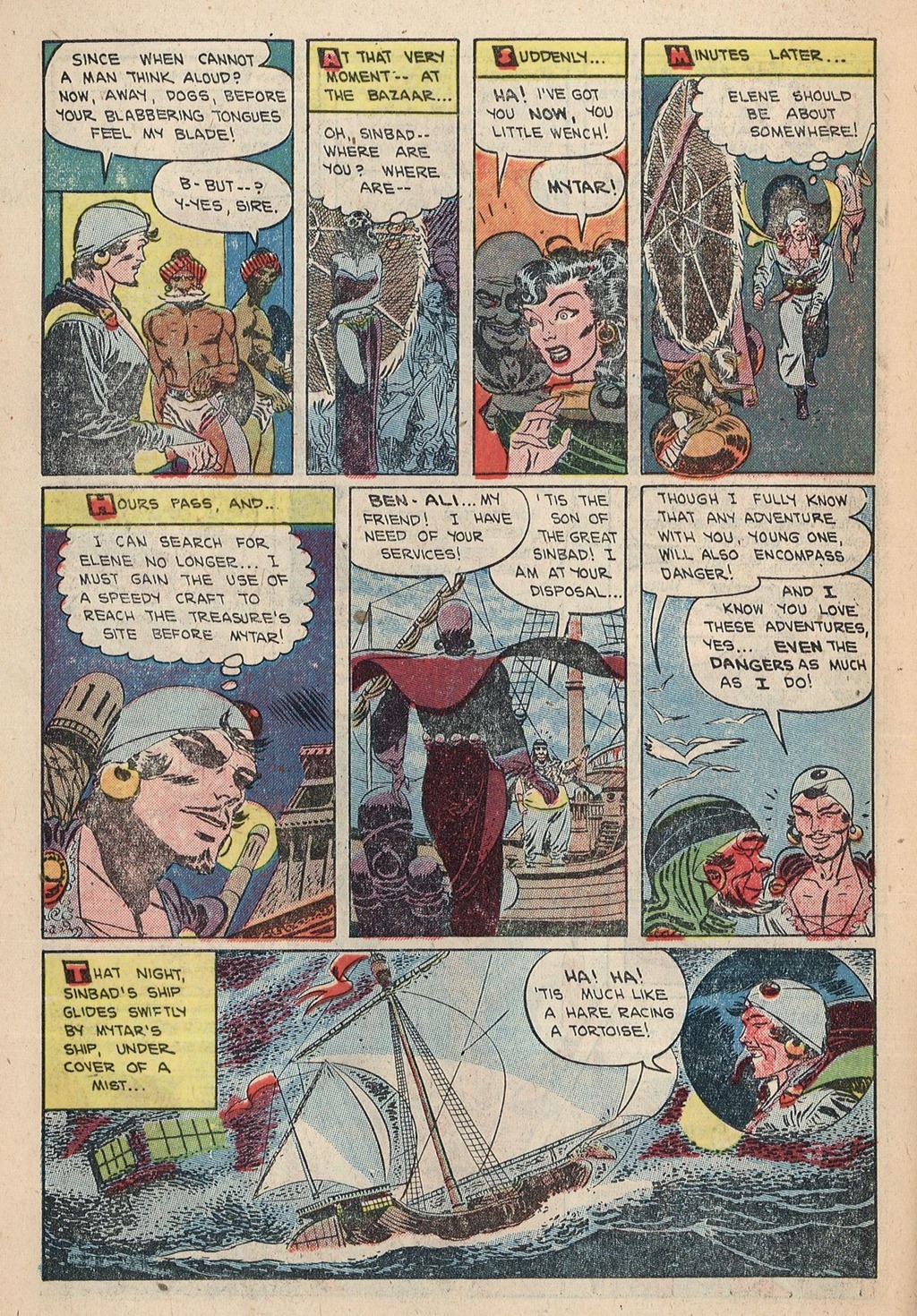
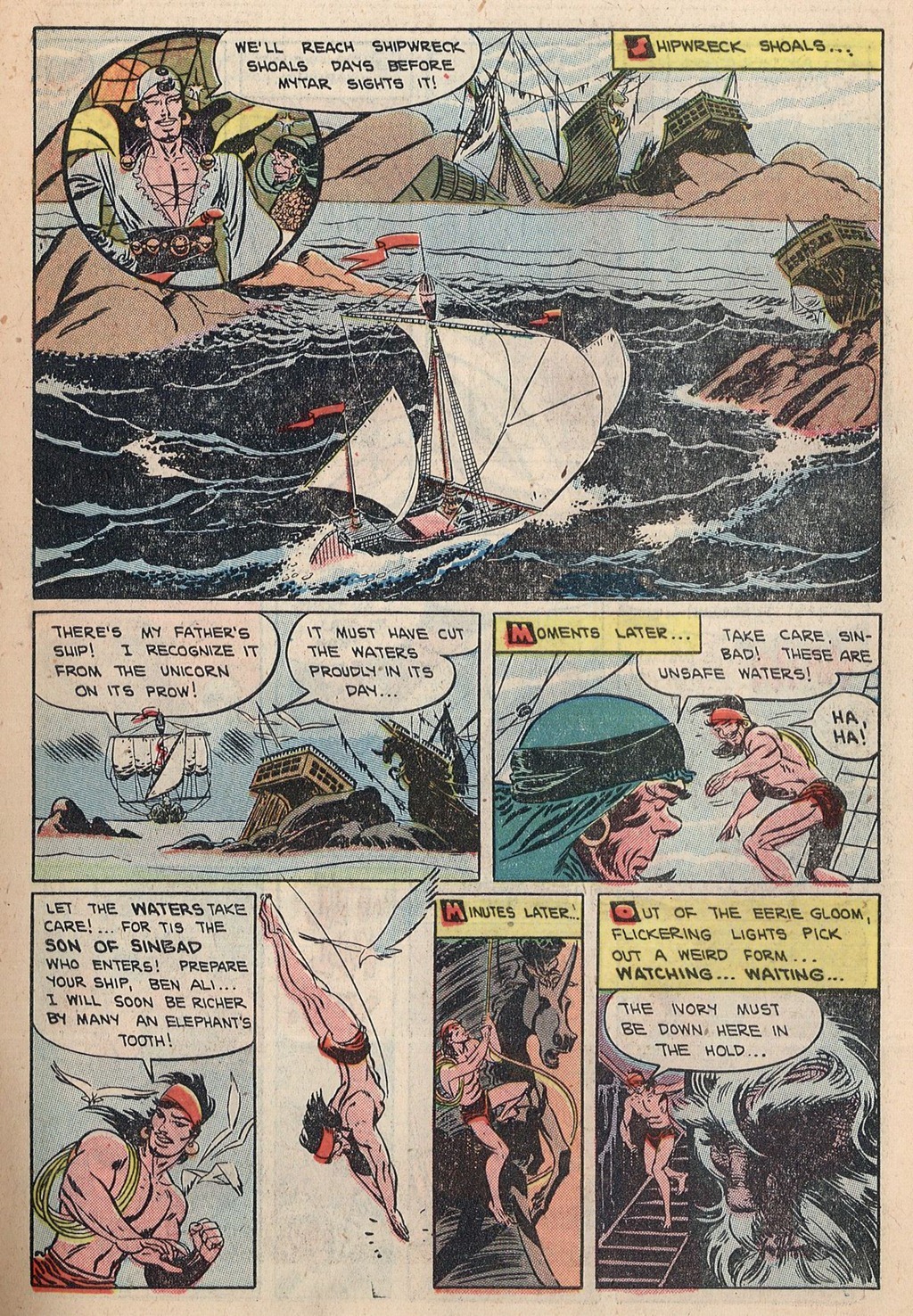
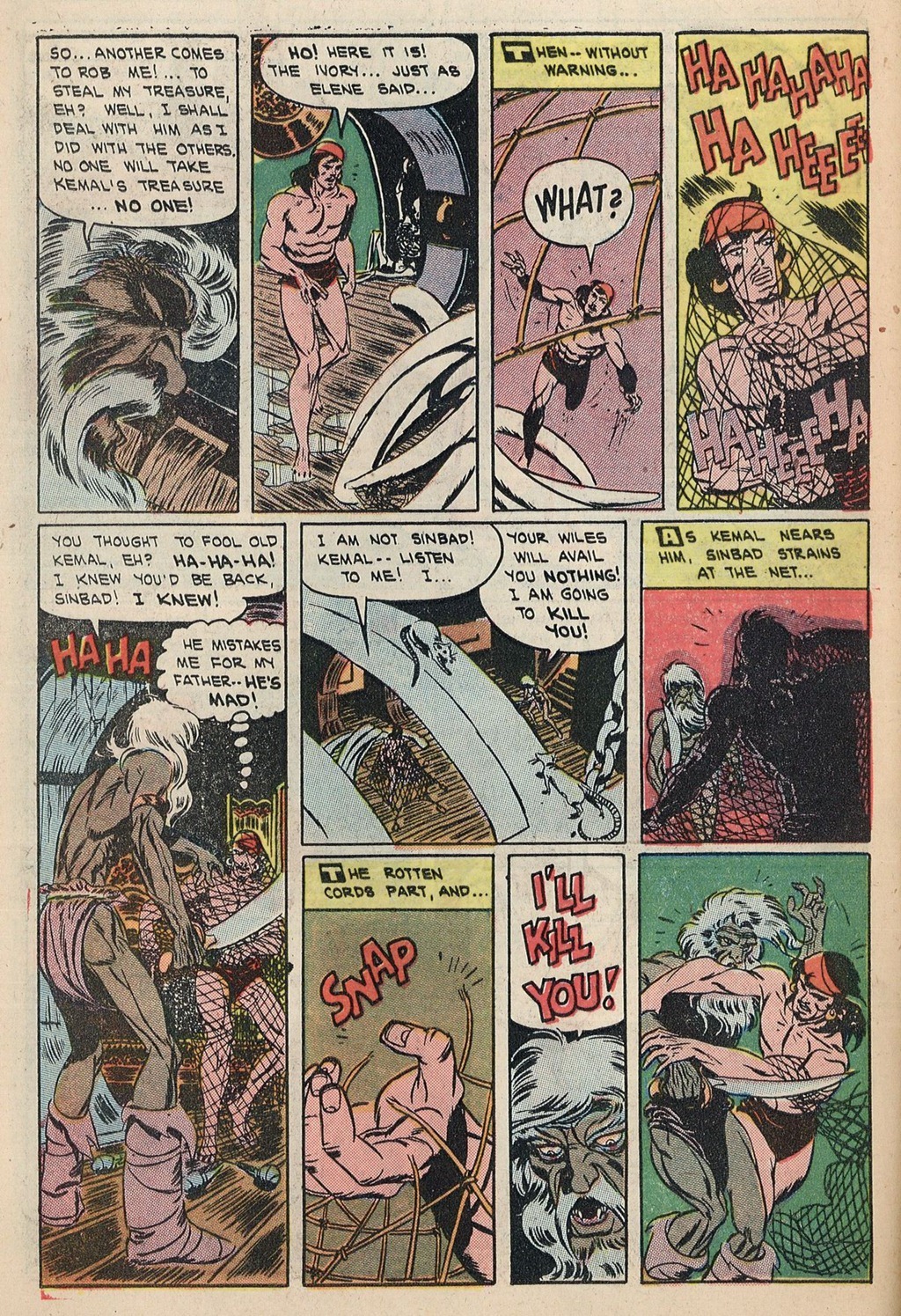
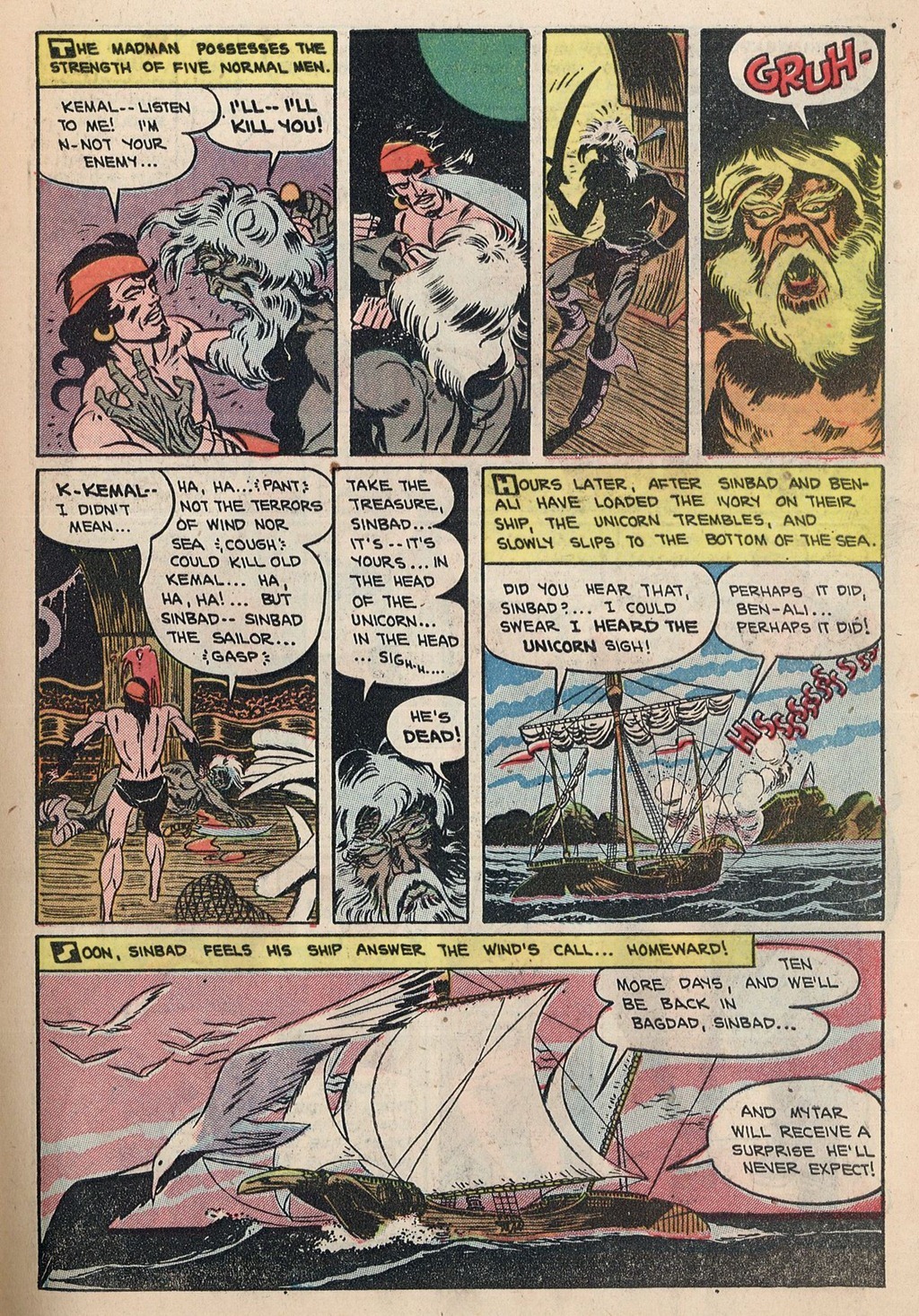
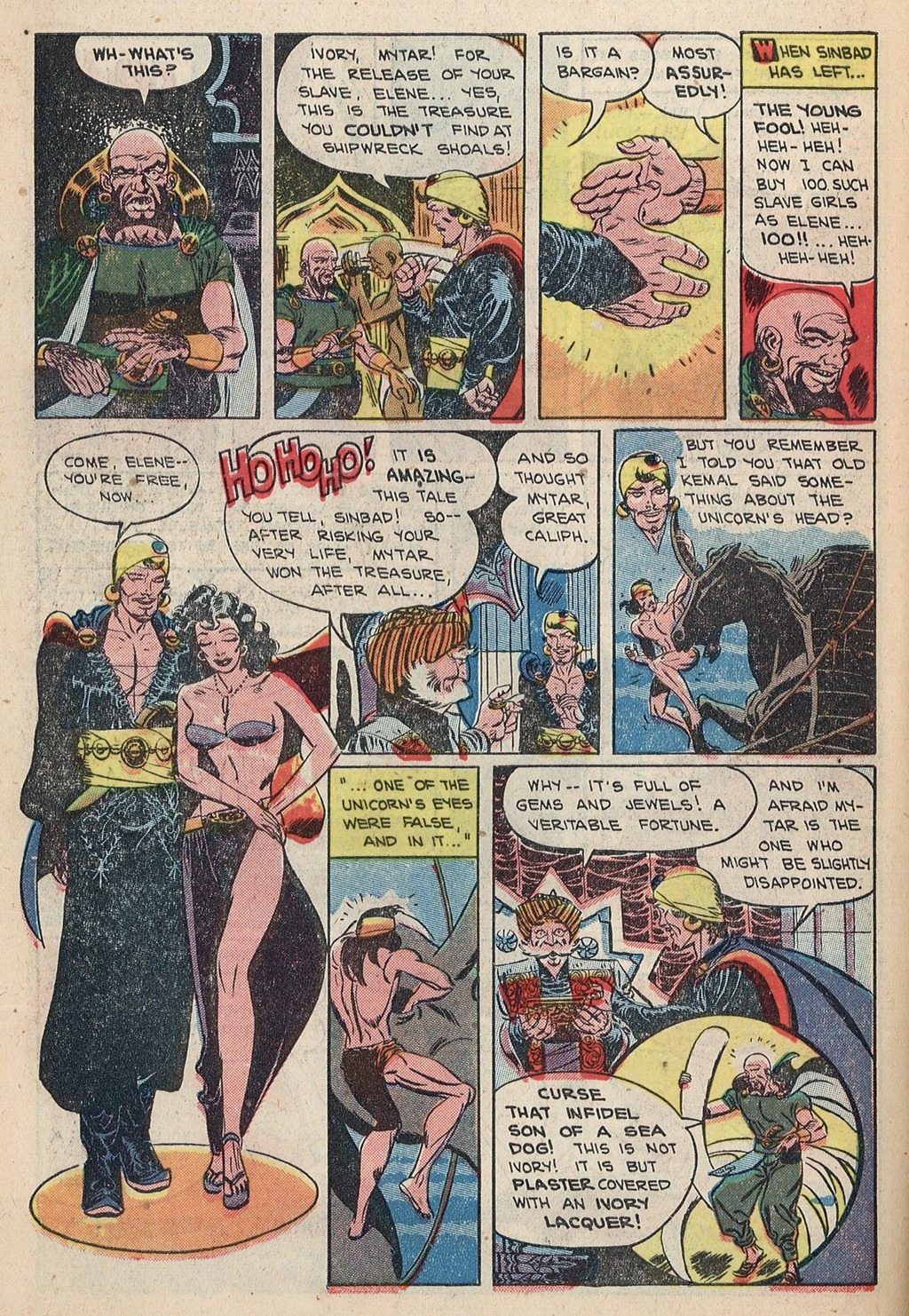
Son of Sinbad by Joe Kubert – Vol 1 Number 1
First tale: “Ransom of Shipwreck Shoals”
Published by St. John – February 1950




Jimmy Thompson's Tenure on "Robotman"
(Part Two of Four) by Frank M. Young
As with Cole's "Plastic Man," Thompson's "Robotman" soon incorporated a comical, trouble-making sidekick. This made moot the depressing aspects of the character's mechanical alone-ness. Poignantly, Robotman assembled his friend, a wise-cracking, ego-maniacal robo-terrier named Robbie.

In Thompson's stories, Paul Dennis/Robotman, with Robbie in tow, is a real home-body. He's often seen relaxing, reading the newspaper, listening to the radio and even, illogically, smoking a tobacco pipe!
He seems quite content with the sarcastic mecha-canine at his side. Robbie gives Robotman a life, and a reason to be.
Robbie's brassy personality upped the series' potential for humor and whimsy. Yet Thompson did not aim the feature at tots. His humor, though always gentle, has a adult sense of wit. The strip's themes are most often rooted in the urban adult world.
"Robotman" had the appeal and individuality that most mid-1940s DC features lacked. Yet it was kept a secondary feature. Usually buried in the back half of its home title, and confined to six pages, Thompson's stylish, creative and formally innovative comics were seemingly doomed to obscurity.
With the 1943-48 "Robotman," Thompson managed to fly under the heavily restrictive radar of the DC/All-American editorship. Their editors, among them Sheldon Mayer, Whitney Ellsworth and Mort Weisinger, severely enforced a house style. Mayer allowed his artists to display individual styles, but he was especially hard on his creative staff.
A feature as flat-out eccentric as "Robotman" flourished in obscurity. Right under the editors' noses, a genuinely appealing, personality-rich talent blossomed.
Today, Thompson's stories remain the only worthwhile moments in their issues of Star-Spangled Comics, amidst the mediocrity of the Simon and Kirby-less "Newsboy Legion," the dreadful, ubiquitous "Penniless Palmer" and the inept, gratingly rendered "Star-Spangled Kid."
Thompson, like Cole and Eisner, saw the opening pages of his stories as an opportunity for bold, intriguing poster-like designs. His opening pages seem to dare the reader to pass them by. His artistic come-on remains powerful and persuasive today. They must have shone like beacons to savvy 1940s readers.
Thompson also made a stock element of the comic book page fresh and stylish. While most comics were routinely hand-lettered, Thompson devised a thoughtful, creative use of the Leroy mechanical lettering system--also used on the perverse, popular "Wonder Woman" feature and in the classic EC "New Trend" comics.
Thompson's stories are much simpler and more straight-forward than Cole's twisty, plotty narratives. As well, Thompson seems to go out of his way to avoid dark subject matter, whereas Cole plunged fearlessly into themes of suicide, murder and dejection.
Thompson's Robotman is lauded and encouraged by his flesh-and-blood fellow citizens. Yet he feels compelled to sustain a ludicrous secret identity. As Paul Dennis, via his plastic-slipcover "human disguise," he's quite uptight about the compromise of his secret identity.
I hope that Thompson did this to satirize the absurd nature of the super-hero secret identity. He approaches it with humor, and contrasts the overly-cautious Dennis/R-man with blabbery, reckless Robbie, who WANTS the world to know how great he is.
As you read these stories, note Thompson's strong design skill. Each page is a playground of light and shadow, of color and texture, and of the innate relationship between images and text.
He also delights in breaking up the grid of the comics page. Ell-shaped panels, long verticals or horizontals and unorthodox layouts are the order of the day in Thompson's work.
Thompson had an illustrator's knack for suggesting atmosphere and detail. His blend of comic-book chiaroscuro and elements of bigfoot cartooning, again, compare favorably to Jack Cole's contemporary efforts.
Then, damn the fates, the merry-go-round broke down. Something happened after issue 80. The editors finally noticed what Thompson was doing--and they put a stop to it.

With issue 81's story, Robbie the Robot-Dog was abruptly eliminated. Not a word was said about his deletion. He simply unexisted. The bigfoot elements of Thompson's cartooning were downsized to more regular adventure comics rendering.. Axed, in one fell swoop, was 95% of the playfulness that made "Robotman" such a stand-out.
Away went the bold, decorative Leroy lettering, too. Thompson now hand-lettered his pages. While the results were still striking, the thrill was gone. "Robotman" was now just an ordinary comic book feature--albeit better-illustrated than 90% of its contemporaries.
The history of the comic book is riddled with dumb editorial decisions. DC's ix-naying of Thompson's comical "Robotman" deserves a high berth in this particular Hall of Shame.
In this post,. and over the next few days, you'll see examples of the change that led "Robotman" into its less-inspired third phase of existence.
"Robbie, Come Home!" from Star-Spangled Comics # 69, is a charming example of "Robotman" at its least super-heroic. Thompson's graphics are at their smooth, cartoony and designy peak here. The story's splash page is typical of the strip at its most visually pleasing.
This story is extremely Robbie-centric. In stories such as this one, the series' namesake is almost pushed into the background. It's similar to Will Eisner's contemporary Spirit stories in which the masked sleuth barely appears at all.
Thompson, like Eisner, knew exactly what he was doing. His genre-bursting style was a breath of fresh air. Robbie's egotism and gadfly impluses are amusing and lively. This is 1940s cartooning at its best!


Next up: more zany Robotdog antics--and things get even cartoonier!
NOTE: Thanks to my dear friend Paul Tumey for bringing Jimmy Thompson's work to my consciousness. Paul runs an outstanding blog on the works of Jack Cole
http://colescomics.blogspot.com. Go there immediately!
--Frank Young
http://stanleystories.blogspot.com/
Text ©2009 by Frank M. Young
Coming up: More on Jimmy Thompson’s later years, and four more full-length Robotman stories!


